Leading With Confidence: A Positive Outlook For Principal Firms In 2025
20th March 2025 by Brielle Hewitt

One year after our Principal Firm thought leaders panel discussion and article, it is time to refocus and take stock of where things stand in 2025.
Though often overlooked, the Principal Firm and Appointed Representative (AR) regime significantly contributes to the British financial sector. From massive IFA networks to mortgage broking behemoths, consumer credit and wealth advisory networks, the AR regime directly impacts the consumers of financial products and the broader financial markets daily. So, after setting the scene, let’s delve back into this crucial part of the British financial industry…
Why Is The FCA Placing Such A Strong Emphasis On The AR regime?
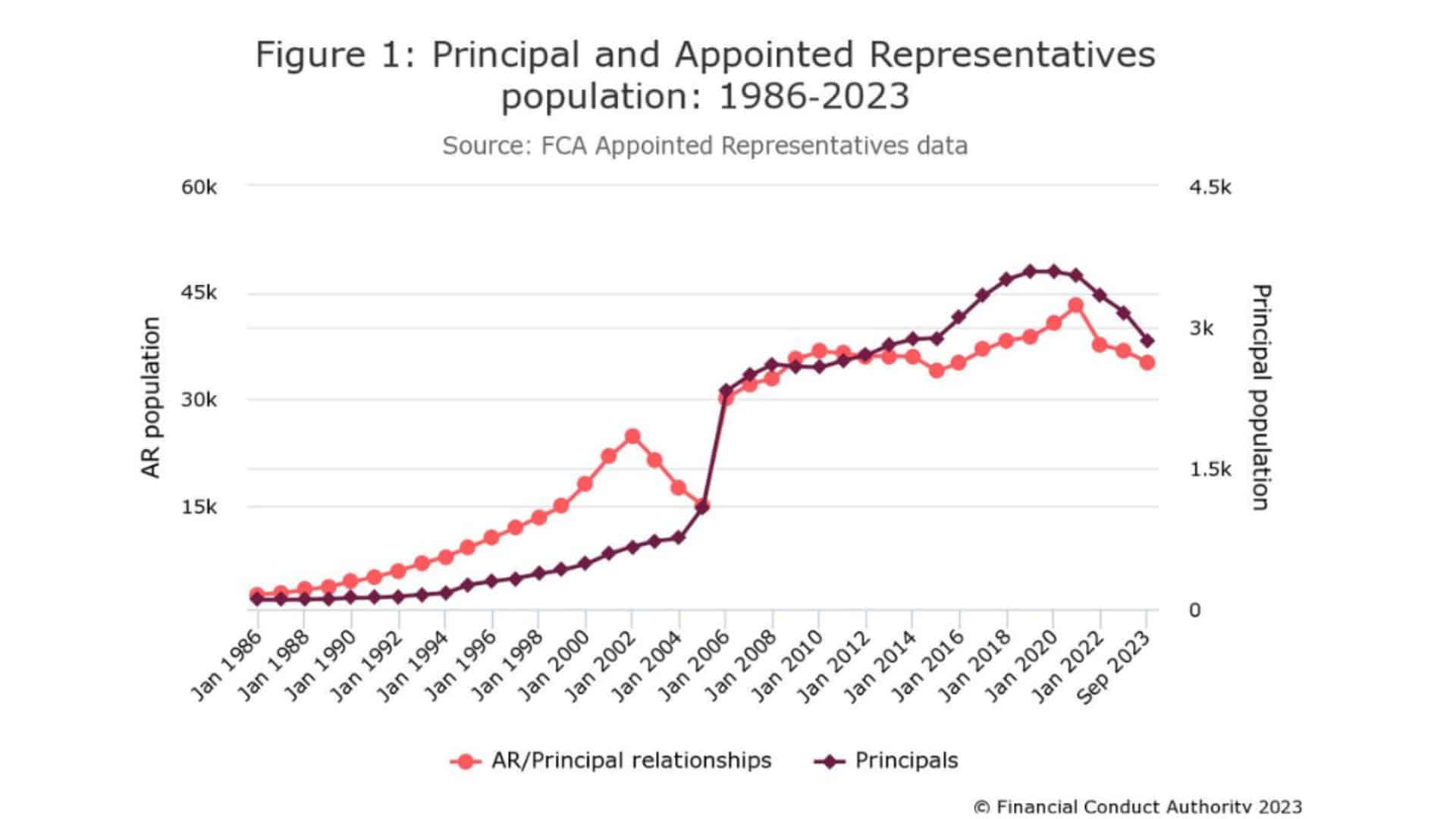
Out of the 50,000 businesses the FCA regulates, an additional 34,000* firms sit outside of their direct supervision as Appointed Representatives under 2,900* Principal Firms. Of these Principals, some are huge, well-known financial brands that use this model to extend their reach, amassing vast numbers of ARs across the country. Other Principals have commoditised compliance and loan out their permissions to businesses that may not have the infrastructure or desire to become directly authorised.
Principal Firms are responsible for ensuring that their AR network have the compliance frameworks, systems and controls in place to meet the FCA’s regulatory standards. They are akin to ‘mini regulators ‘, entrusted by the FCA to supervise and guide their AR firms, ultimately responsible for safeguarding consumers and the broader financial market.
*Number is correct as per 2023 published FCA data.
Source: Improving the Appointed Representative regime through greater use of data
According to the FCA, the AR/Principal relationship is an important contributor to the success of the British financial industry. The model has grown steadily since its inception in 1986. Matt Brewis, Director of Insurance at the FCA, said in a webinar hosted in April 2024:
“We believe the [AR] regime has many benefits, including encouraging effective competition and providing market access. I see many examples of where ARs are using the regime to test out their new approaches under the guise of assistance from their Principal Firm before going through full authorisation and it gives them a good opportunity to access markets they might otherwise not be able to.”
However, in recent years, the AR Regime has been put firmly under the FCA’s regulatory spotlight. The regulator has put ‘Improve Oversight Of Appointed Representatives’ as part of their ‘Reducing and Preventing Serious Harm’ strategic focus within their 2023/2024 annual report. Matt Brewis says:
“There have been real problems when the regime has been misused or when Principal Firms or ARs don’t understand their responsibilities in the way that we would expect. This can cause significant issues for us and for consumers who are at risk of being misled, mis-sold and under-protected when things have gone wrong.”
In 2022, the FCA revealed that Principals and ARs account for over 60% of the total value of recent claims to the Financial Services Compensation Scheme. They also generate up to 400% more supervisory cases and complaints than directly authorised firms.
The response of the regulator has been to double down on this area of the financial industry, setting up a dedicated ‘AR Department’ to closely monitor the Principal Firms and ARs in operation. The FCA also released a new policy statement in August 2022 outlining new expectations for all Principal Firms to enhance oversight measures across their AR networks.
The FCA has also taken enforcement action against a number of Principal Firms. This has led to Principals terminating their relationships with ARs, restricting the onboarding of new ARs, and in the most extreme cases, Principals ceasing trading altogether. As a direct result of the regulator’s focus, AR numbers have dropped substantially since 2020, with some ARs being pushed down the direct authorisation route and others being pushed out of the regulated market altogether.
In late 2024, the FCA published their findings on just how successfully Principals are meeting their enhanced oversight expectations within their AR networks. The general tone of the findings was that, although many Principals are taking steps to meet these enhanced requirements, many others must do more work to meet the FCA where they stand. The key takeaways include:
- Only 50% of the Self-Assessments and Annual Reviews submitted were considered good quality by the regulator with a ‘tick box approach’ to many of these documents.
- Many Self-Assessments lacked sufficient data and missed out on critical areas of the SUP 12.6A requirements.
- 20% of Principals had not completed their Self-Assessments or Annual Reviews.
- Many Principals had not changed their onboarding or termination procedures.
- There was a variety of answers regarding what constitutes ‘adequate controls for AR oversight’ such as the number of advisory people employed to oversee ARs, data employed, and systems used, showcasing that there is no industry standard.
Source: Principal firms embedding the new rules for effective appointed representative oversight
The FCA has consistently highlighted their commitment to the Appointed Representative regime. The regulator has put intense pressure on all Principal Firms, but only because they want to ensure that this model can continue sustainably and deliver good services for consumers. The regulator wants to see Principals evidence that they can meet their enhanced expectations, effectively oversee their AR networks and see the number of complaints come down from those who engage with AR businesses.
Matt Brewis, Director of Insurance at FCA, says:
“It [the AR regime] is an area that impacts all the areas of our work here and, in my sector that I’m responsible for… there are over 9,000 Appointed Reps alone. So it impacts every part of what we do and every new policy and every strategy we have.”
So, Where To Go From Here?
The latest AR Regime findings include examples of good practice that should be adopted by Principals. The FCA’s aim with the updated AR regime requirements is to establish a robust framework that ensures Principal Firms are effectively overseeing their ARs, minimising risks, and protecting consumers. While this requires a significant investment of time and resources, it also enables Principal Firms to enhance their risk management processes, improve operational efficiency, and drive sustainable growth.
Key Expectations and Opportunities for Principals
The FCA has outlined several key areas where Principal Firms must focus their efforts. These areas present opportunities to not only meet regulatory requirements but to enhance internal processes, improve relationships with ARs, and gain a competitive edge in the market. We consulted with Sarah Jackson, Associate Director of Regulatory Consulting at Evelyn Partners, who gave her advice on what next steps Principal Firms can take to meet the FCA’s expectations.
1. Annual Reviews, Self-Assessments and Continuous Training: Strengthening Governance
The FCA’s emphasis on Annual Reviews and Self-Assessments is not just a compliance requirement—it’s an opportunity for Principal Firms to thoroughly evaluate their business models, risk profiles, and AR relationships. By conducting regular and detailed reviews, Principal Firms can identify areas for improvement, strengthen governance structures, identify where training needs to be done, and ensure that ARs are aligned with their strategic objectives.
Sarah says:
“Ensuring that internal governance structures are informed and involved in AR arrangements is crucial. Firms should also provide training for staff to understand and implement the rules and requirements effectively.”
In 2025, Principal Firms should treat these reviews as a chance to refine their internal processes, develop stronger relationships with ARs, and ensure that they have the necessary controls and continuous training in place to manage risks effectively.
2. Data-Driven Insights: Driving Better Decision-Making
The FCA’s increased reliance on data to assess the performance of the AR regime is a positive development for Principal Firms. Following the regulator’s lead, Principals can record and leverage AR data themselves and gain valuable insight into AR performance, identify outliers, and make informed decisions about their business models. This data-driven approach allows Principal Firms to stay ahead of potential risks and ensure that they comply with the latest regulatory expectations.
Sarah says:
“Firms should leverage data and MI to monitor AR activities effectively. This means using a range of information sources, such as quality assurance checks, customer satisfaction surveys, and in-person visits and technology tools to assess the risk of harm to consumers or markets.”
In 2025, Principal Firms should embrace this data-driven approach as a strategic tool. By providing accurate and timely data to the FCA, Principal Firms will not only demonstrate compliance but also gain access to valuable insights that can inform their risk management strategies and improve their overall performance.
3. Proactive Oversight: Enhancing Consumer Protection
Proactive oversight of ARs is a key responsibility for Principal Firms. The FCA expects Principals to monitor ARs regularly, ensure that they are operating within the scope of their appointment and adhering to regulatory standards. This oversight also presents an opportunity for Principals to enhance consumer protection and improve their reputation in the market.
Sarah says:
“Principal Firms must actively monitor their Appointed Representatives (ARs) to ensure they’re operating within the scope of their agreements and not posing risks to consumers. This includes regular reviews and updates to onboarding and offboarding procedures to reflect new rules and ensure processes remain robust.”
By implementing robust monitoring processes, Principal Firms can identify potential issues before they escalate, address concerns promptly, and ensure that ARs are delivering high-quality services to consumers. This proactive approach not only protects the Principal Firm from regulatory scrutiny but also strengthens consumer trust and loyalty.
4. Clear Documentation and Reporting: Building Trust with the FCA
Clear documentation and reporting are essential for complying with the FCA. The regulator expects Principal Firms to maintain accurate records of their Annual Reviews, Self-Assessments, and other oversight activities. For leadership teams, this is an opportunity to establish a culture of transparency and accountability within the organisation.
Sarah says:
“Firms should ensure that their Annual Reviews and Self Assessments are thoroughly documented and provide comprehensive evidence to meet all regulatory requirements. This involves moving beyond basic checks and self-declarations to more robust methods of oversight.”
In 2025, Principal Firms should view documentation and reporting not as a regulatory burden but as a way to build trust with the FCA and demonstrate their commitment to compliance. By maintaining comprehensive records, Principals can ensure that they are prepared for any regulatory scrutiny and strengthen their relationship with the FCA.
5. Investing in Technology and People: Effective Systems and Controls
Principals must also ensure that they have ‘sufficient resources’ to monitor their ARs’ activities. With an abundance of AR activity to monitor, adopting technology becomes the only way to help staff supervise multiple AR businesses on an ongoing basis. The FCA themselves encourage Principals to use technology to assist with and enhance AR oversight. Gurinder Kahlon, Senior Associate at the FCA (2022-24), says:
“There is no set maximum number of ARs or IARs a firm can have, and there is no set number of FTE which would be appropriate or considered as a minimum requirement for overseeing an AR. But it depends on the Principal, the AR, the activities being conducted and… the use of automation and technology. For example, if a firm is using quite a significant amount of technology or automation as part of the onboarding or monitoring process and gathering data, that may mean there is a requirement for less FTE when conducting oversight.”
The sentiment that Principals should adopt technology to record and evaluate AR data is also echoed by Sarah Jackson. Sarah advises:
“It’s essential to establish a robust data collection and reporting framework. This involves setting up systems to gather comprehensive and accurate data on AR activities. A framework will allow firms to ensure that the data collected is relevant, timely, and can be easily accessed, allowing analysis to be undertaken and enabling more effective monitoring to identify any potential risks or issues early on.
Principal Firms may want to invest in technology and tools that facilitate the analysis and data visualisation to aid decision making. Dashboards and other advanced analytics and reporting tools can help firms gain deeper insights into AR performance and compliance. These tools can also automate the process of generating reports, making it easier for firms to track and monitor AR activities on an ongoing basis.
Additionally, it’s crucial to integrate data and MI into the decision-making process to ensure more effective oversight. This might include setting up periodic review meetings across various key stakeholders to discuss findings and outputs, and agree any follow-up actions.
Principal Firms should provide training and support to their staff to ensure they understand how to use data and MI effectively. This includes training on data collection methods, analysis techniques, and the use of reporting tools. By building a data-literate workforce, firms can enhance their ability to understand, interpret and act upon what they data is telling them whilst ensuring compliance with FCA regulations.”
In 2025, Principals should view technology as an enabler to their business, allowing them to oversee large networks of ARs more effectively and, most importantly, compliantly. The MI gained from using technology can be a powerful tool for Principals, allowing them to make proactive, strategic decisions across their AR network.
Demonstrating Success
Here at Fingerprint, we support multiple Principal Firms with our technology solutions. These Principals have invested in their people and operations to enable effective, compliant oversight across their AR network. These ARs range from small boutique hedge funds, all the way up to large consumer retail brands. As a result of this investment in people and technology, these Principals have seen their AR networks grow steadily, allowing them to secure funding rounds to support the continued growth of their businesses.
Learnings to take from our client’s demonstrated best practice are:
A robust onboarding process and continuous due diligence – Our clients run a stringent application process for any firm interested in becoming their AR. This includes comprehensive due diligence on their potential clients to understand their business and see if they would be an appropriate AR that wishes to conduct regulated activity under their guidance.
Proactive oversight across their ARs – Our clients employ knowledgeable, qualified compliance staff who are assisted by the latest and relevant technology to ensure they can monitor AR activity at scale on an ongoing basis.
Terminate relationships with ARs when appropriate – Our clients use this ongoing monitoring to ensure that if any clients do not meet their expectations or no longer need to conduct regulated activity under their guidance, they are offboarded appropriately. This puts thorough and responsible supervision as their number one priority as a Principal Firm.
Charge appropriate fees for the service they provide – Our clients charge appropriate fees to their ARs, enabling them to have the technology and team to provide excellent compliance oversight and offer a sustainable service to all clients.
2025 Outlook: A Year of Opportunity for Principal Firms
As we look ahead in 2025, the outlook for Principal Firms within the AR regime is positive. The FCA’s approach is becoming increasingly data-driven and focused on growth outcomes, which means that Principal Firms that take a proactive approach to compliance will be well-positioned for success.
By embracing the FCA’s expectations and using them as an opportunity to enhance internal processes, improve governance, and strengthen relationships with ARs, Principal Firms and their ARs can thrive in 2025 and benefit from:
- Reduced Risk: Proactive oversight and data-driven decision-making will help firms identify potential risks early, reducing the likelihood of regulatory action and reputational damage.
- Improved Efficiency: Robust Annual Reviews, Self-Assessments, and reporting processes will improve operational efficiency and allow firms to focus on growth and innovation.
- Enhanced Reputation: By demonstrating strong governance and a commitment to consumer protection, Principal Firms can enhance their reputation in the market and build consumer trust.
- Strategic Growth: With a solid foundation of compliance and oversight, Principal Firms will be better equipped to grow their business, expand their AR networks, and explore new market opportunities.
Conclusion: Leading The Way With Confidence In 2025
The continued focus on the AR regime offers Principal Firms a unique opportunity to strengthen their governance, improve risk management, and enhance consumer and market protection. By embracing the FCA’s expectations, leveraging data-driven insights, and adopting proactive oversight practices powered by technology, leadership teams can position their firms for success in 2025 and beyond.
As the regulatory landscape continues to evolve, Principal Firms who prioritise compliance and thorough AR oversight will meet the FCA’s expectations and drive long-term success. The AR regime is not just a regulatory challenge—it’s a strategic opportunity for Principal Firms to lead with confidence, build stronger relationships with ARs, and enhance their reputation as trusted leaders in the market.
How Can We Help?
Fingerprint provides a holistic communications monitoring platform to Principal Firms and Regulatory Hosts to help them monitor the communications of their entire AR network in one single, scalable solution that will help your firm meet and exceed the SYSC 10 and FCA Handbook requirements. Book in a 30 minute discovery call with one of our knowledgeable team to find out if our platform is a good fit for your business.
If you’d like to read or watch more content on the AR Regime, then you can read our previous AR Regime article. You can also watch our AR Regime thought leadership webinar which we hosted with several other compliance experts in the industry including Shazana Begum and Sarah Jackson.